Choosing a Latch for a Gate That Children Use Every Day
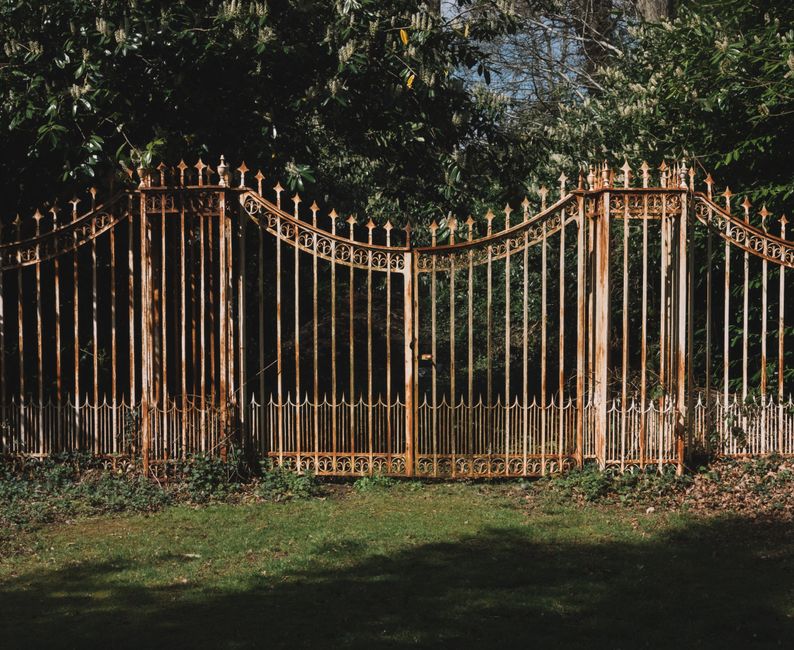
Two latches that look identical on a shelf can behave very differently once a four year old tests them with a shoulder. A latch that holds against a push but opens to a lift is common on older yards in Hyde Park and Travis Heights, as the notes at iron gates austin tx bad dog tavern describe. In Austin, TX the question for a home iron gate is rarely strength. It is reach, height and whether the gate closes itself.
Gravity latches and why they get left open

A gravity latch drops a bar into a catch as the gate swings shut. It works only if the gate returns on its own, and a gate with a sagging hinge stops a half inch short and sits ajar. Small hands find the bar easily, since it is usually on the outside face at a height an adult likes. Raising the latch above reach helps, and a thumb release on the inside only keeps the bar from lifting by a child on the street side.
Self-latching hardware

Self-latching hardware has a spring loaded body that clicks into a striker without a hand on it. The tubing frame of the gate has to support the latch body on a flat plate, and a round picket gives poor purchase. A good striker is welded or bolted to the post with a slot that tolerates a little swell and shrink in the soil. Latch bodies in galvanized steel resist rust, and stainless springs last longer than plated ones.
Height and reach
A latch at forty eight inches off the ground is out of reach for most toddlers, while one at thirty six is not. On a gate that also serves adults carrying groceries, a second latch placed high on the inside works better than a single latch placed in the middle. Gates on wrought iron frames with ornate scrolls give a child footholds, so check that the scroll work does not form a ladder up to the latch.
Locks and keypads
A lockable latch with a key cylinder serves a side gate that is rarely used. A keypad serves a gate that sees a lot of daily traffic. On a gate with an operator and a gate opener, a keypad and a photo eye are standard, with a safety edge on the leading side. A manual latch alone is enough on a single swing walk gate that opens to a back garden.
Testing the latch
Close the gate and push on it from both faces. Then lift the bar from the street side with a stick, the way a child might. A latch that lets go at that test needs a keeper cap or a higher position. Repeat the test after the first heavy rain, since swollen soil moves the post enough to change how the striker meets the bar.